
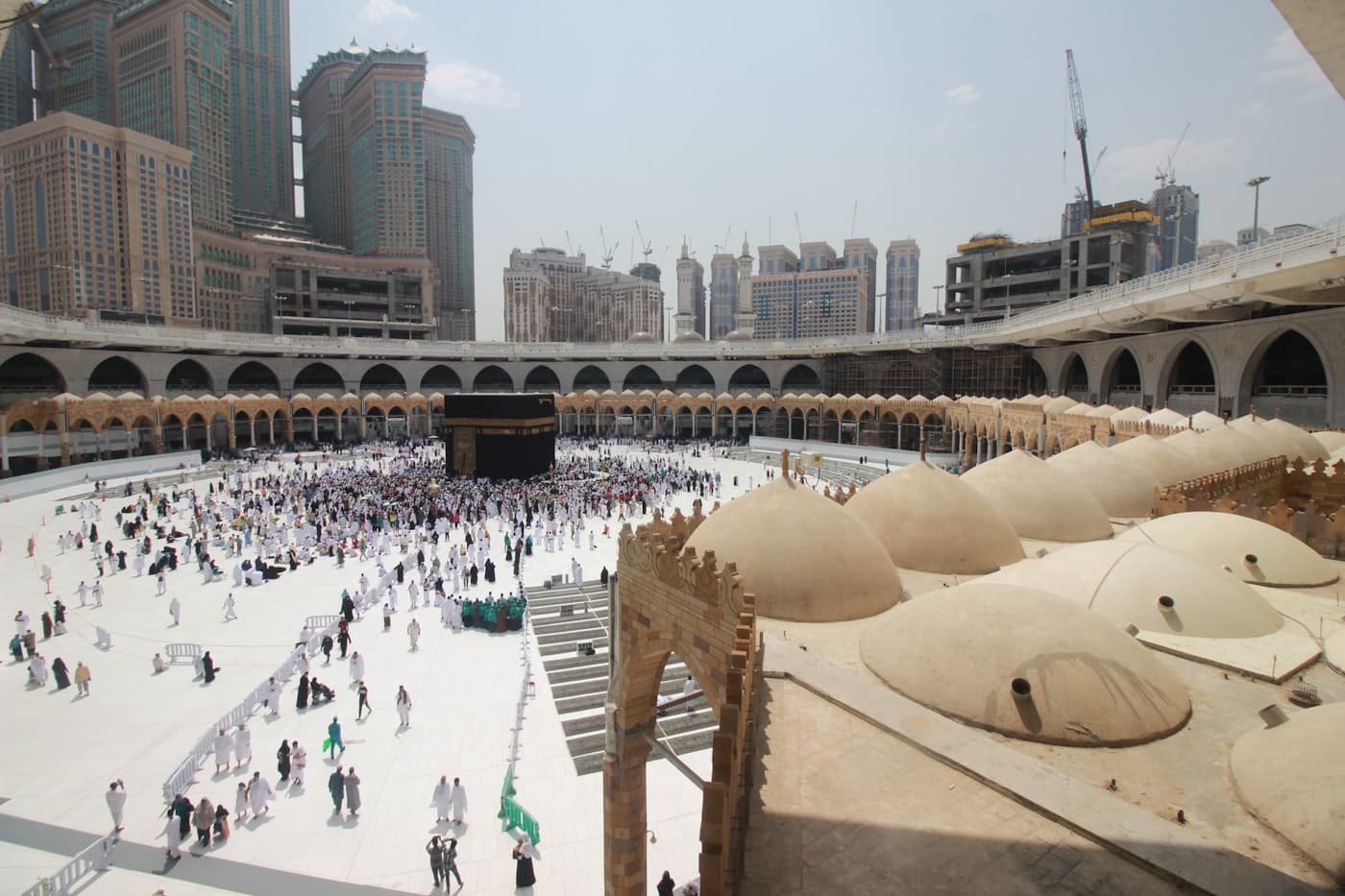
Best Time to Perform Umrah: A Month-by-Month Guide for 2026-2027
There is no single best month for Umrah. There are only trade-offs between cost, crowds, weather, and spiritual peak, and the right answer depends on which of those matters most to you: the reward of Ramadan, the comfort of winter, or the value of a quiet shoulder week. This guide walks the calendar month by month for US pilgrims. Our dated departures run through Ramadan 1448 in February and March 2027 (June to December 2027 have planned dates and are open for registering interest), and every price below is per person on quad occupancy with round-trip airfare included.
Key takeaways
- Umrah has no fixed date, but this season has a deadline: on an Umrah visa you must enter Saudi Arabia by 23 March 2027 and leave by 7 April.
- Winter offers the best balance of comfortable weather and reasonable cost for US travelers. The December holiday window shares the year's top price with the last ten nights of Ramadan.
- Ramadan carries the greatest reward, and the heaviest crowds and highest prices along with it. The next one is expected to begin in February 2027, subject to moon sighting.
- On quad occupancy, the dated departures still on sale cost between $1,990 and $2,690.
- Occupancy is a separate lever: $200 more for a triple, $400 for a double.
There Is No Single Best Month, Only Trade-Offs
Umrah is valid year-round, so the right time depends on what you are optimizing for: lowest cost, thinnest crowds, coolest weather, or spiritual peak. Ramadan gives you the greatest reward, along with the heaviest crowds and the highest prices of the year. Winter is the comfort-and-value window. Summer has wide availability and brutal heat in equal measure.
Knowing your own priorities is the first step to picking a window. A retiree chasing a quiet, contemplative Umrah will make a very different choice from a working family tied to the school calendar, and both can be right.
One practical note before the month-by-month detail: because every package is flight-inclusive, the season no longer reaches you as a separate airfare you have to time. It is already inside the departure price, which is why the gap between the cheapest and dearest month on our calendar ($1,990 against $2,690 for the departures still on sale) is a clean, visible number rather than something you discover later on a booking site.
Winter (December-February): The Sweet Spot for Comfort
From December to February, Makkah's average daytime high drops to about 88-91°F (31-33°C), against roughly 110°F in midsummer, and nights cool to the high 60s. That makes tawaf and sa'i far more comfortable than in summer. Aside from the late-December holiday spike, January is among the best-value months for US travelers, and our calendar reflects that directly: the December departure (20-29, eight nights) is $2,690 on quad occupancy, while January 2027 comes in at $2,190 for the same room type.
That gap is the clearest illustration of what the holiday window costs, and it pairs awkwardly with the fact that many American families can only travel over winter break. The break itself is the pricing peak. So the weeks on either side of it are where the real value sits, and if comfort and cost are your priorities and your dates have any give in them, winter is hard to beat.
Worth noting too: the December departure is eight nights rather than the usual seven, so part of what you are paying for is an extra night on the ground over the holidays rather than pure seasonal premium.
Pro tip
Aim for January rather than the last ten days of December. You keep winter's comfortable weather and save $500 per person on quad occupancy, simply by stepping outside the holiday window.
Ramadan (Expected February 2027): Peak Reward, Peak Everything Else
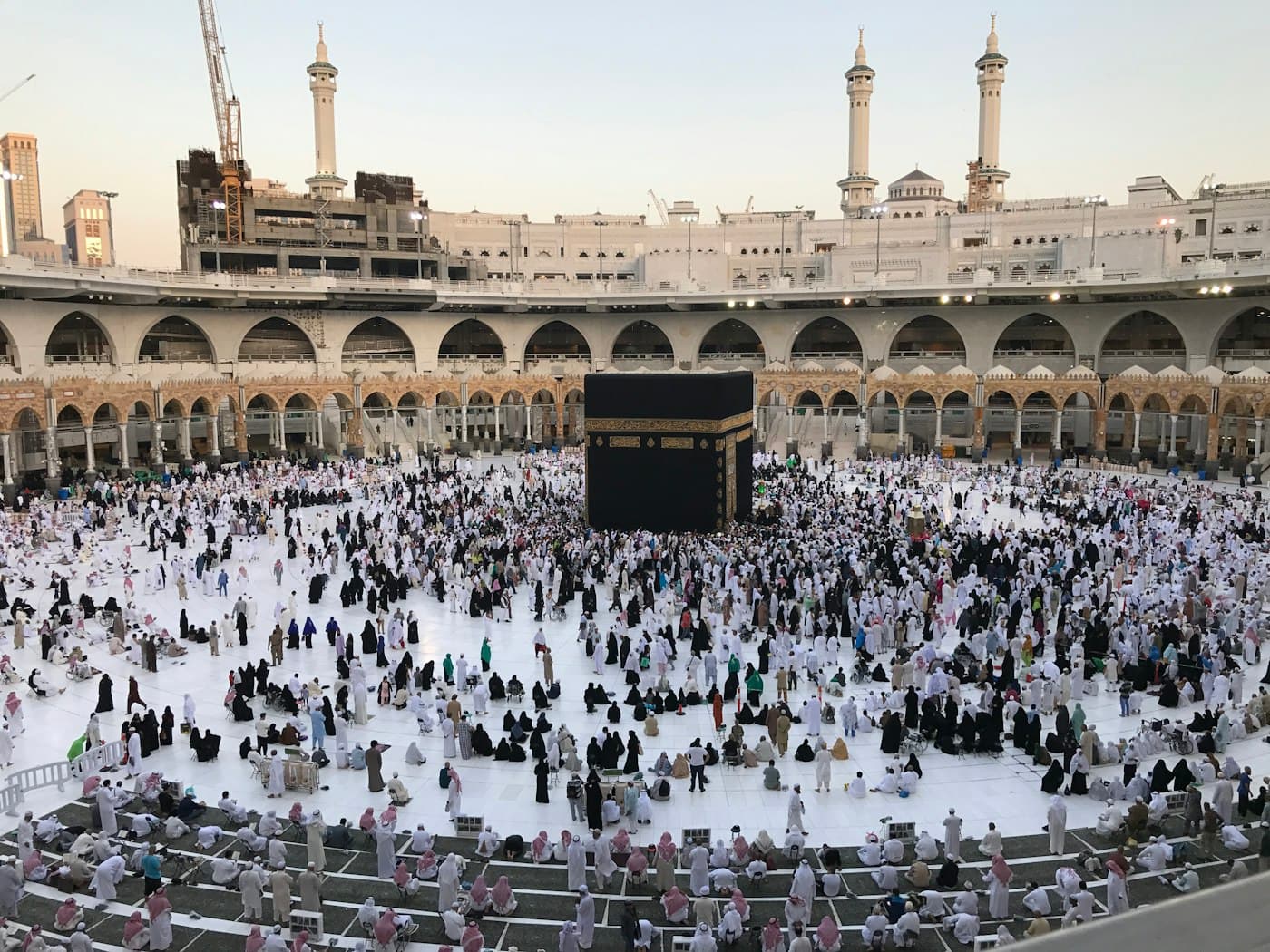
The next Ramadan is expected to begin in February 2027, subject to moon sighting. Umrah in Ramadan carries immense reward (the Prophet ﷺ said Umrah in Ramadan equals a Hajj in reward), but the Haram is packed, especially during the last ten nights and Laylatul Qadr.
Across the market, airfares and hotel rates in that month run well above off-peak, and demand for rooms near the mosque builds many months in advance. Our own programme is confirmed: the first and second ashra travel in February at $1,990 per person on quad occupancy, and the last ten nights travel 26 February to 9 March at $2,690. Both run ten nights rather than seven.
When you do plan it, go in with clear eyes about the crowds as well as the cost, and consider the first half of the month if the last ten nights look beyond reach. The reward of Umrah in Ramadan is not confined to the final stretch, and the experience is considerably calmer.
Spring (April-May): Closed to Umrah Visas Until After Hajj
Earlier versions of this guide called late spring a quiet, good-value window. For 2027 that is wrong. Saudi Arabia's calendar for this season lets Umrah visa holders enter only until 23 March 2027 and requires them to leave by 7 April. So a trip in April, or in May before Hajj, is not possible on an Umrah visa. The next season opens after Hajj, which falls in mid-May, on dates the Ministry of Hajj and Umrah has not announced yet. Our Umrah visa guide has the full season calendar and explains how a tourist visa differs.
The heat argues against May in any case. Makkah's average daytime high that month is 42.4°C, about 108°F, going by the World Meteorological Organization's 1991-2020 averages. That is summer in all but name.
Summer (June-August): Heat, Availability, and School Breaks
Makkah summers routinely exceed 105-115°F. Hydration and midday rest stop being advice and become necessities, particularly for older travelers. The upside is real, though: availability is wide, and the US school summer break makes family travel far easier to arrange around work and school terms.
If you go in summer, favor early-morning and after-Isha worship, and choose a hotel close to the Haram to keep your time in the sun short. With sensible pacing, a summer Umrah is very doable. Respect the heat, drink constantly, and it is manageable.
Important
In summer heat, the walk between your hotel and the Haram matters enormously. Paying a little more for a closer hotel can be the difference between a joyful trip and an exhausting one, especially with children or elderly relatives.
Fall (September-November): The Quiet Return of Value
After the Hajj season closes and the summer heat breaks, fall brings moderating temperatures and modest crowds. Pricing is generally favorable outside of any long US holiday weekends. Our November departure (20-28) is $2,090 per person on quad occupancy with airfare included, and it runs over Thanksgiving.
On this year's calendar the early fall departures were the cheapest we published, and the climb through October into November tracked the return of US holiday demand rather than anything happening in Makkah. If your dates are genuinely open, the early part of this window is the best value of the year.
This is a strong choice for a focused, less crowded Umrah, and it avoids the Ramadan premium entirely. For pilgrims who want to worship without the intensity of peak-season crowds, autumn is one of the calmest and most rewarding windows in the whole year. Quiet, warm, and cheap. That combination does not come around often.
Working Around US School and Work Calendars
American families cluster their travel around Thanksgiving week, winter break (late December), spring break (March), and summer, which means those exact windows see the highest demand, and the package prices to match. You can read that pattern straight off the calendar: the December holiday window is level with the last ten nights of Ramadan as the dearest departure we publish.
If your schedule allows, moving into the shoulders just before or after those breaks is worth several hundred dollars per person. Retirees, remote workers, and anyone with flexible time off have the most freedom to chase the quietest, cheapest weeks. Even shifting a trip by a couple of weeks can move you out of a peak band entirely.
And remember the other lever, which is entirely independent of the calendar: who shares your room. A triple adds $200 per person and a double adds $400 over the quad price on every departure, so a group willing to share can travel in a busier month for less than a couple pays in a quiet one.
- Peak US demand: Thanksgiving, late December, spring break in March, and the summer.
- Best value sits in the weeks just before or just after those breaks. January 2027, straight after winter break, is $2,190 against $2,690 for the December holiday trip.
- The more flexible you are, the more you save. A fortnight's shift can move you into a different price band entirely.
- Occupancy runs independent of season. A triple adds $200 and a double adds $400 per person on any departure.
Frequently asked questions
The shoulder seasons (fall and mid-January), and specifically the weeks just outside US school breaks. On our current calendar that means January 2027, the month after winter break, at $2,190 on quad occupancy. Pair a shoulder month with a shared quad room and you are at the bottom of the range.
For many pilgrims, yes. Umrah in Ramadan carries immense reward and an atmosphere unlike any other time. But it is the most crowded and expensive window of the year anywhere in the market. The next Ramadan is expected to begin around 8 February 2027, subject to moon sighting, and our programme for it is confirmed: $1,990 per person for the first or second ashra, $2,690 for the last ten nights and Eid.
Daytime temperatures routinely exceed 105-115°F. Summer Umrah is doable with careful pacing: worship early morning and after Isha, stay hydrated, and choose a hotel close to the Haram to limit time in the sun.
Yes, and this season the cut-off comes well before Hajj itself, which falls in mid-May 2027. On an Umrah visa you must enter Saudi Arabia by 23 March and leave by 7 April. Our Umrah visa guide has the full calendar and explains how the tourist visa differs.
Ready to plan your journey?
Tell us your dates and a US-based Umrah & Hajj specialist will put a free quote together for you. No obligation.