
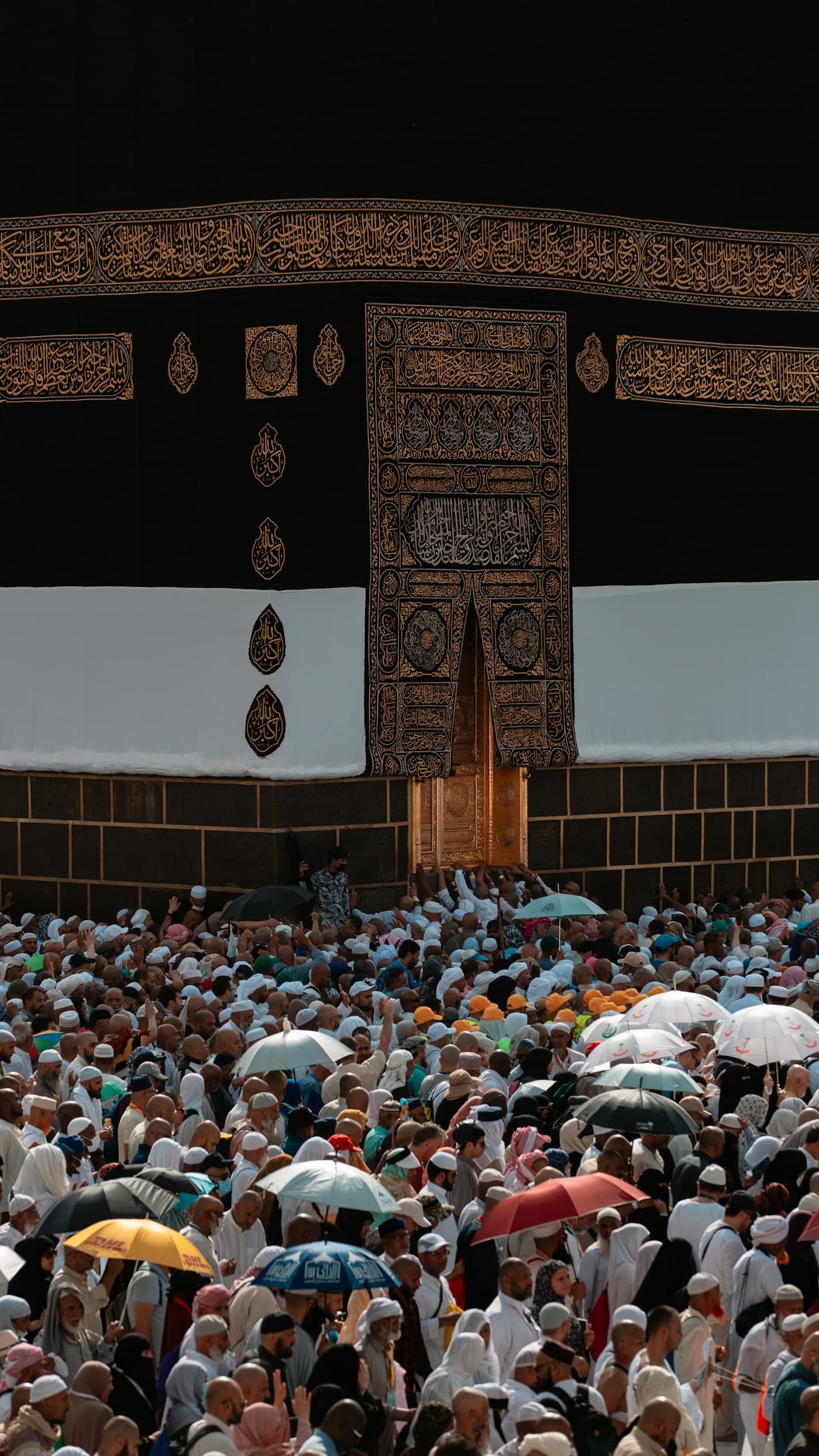
Hajj from the USA: Costs, Nusuk & What to Expect
Hajj is the journey of a lifetime: the fifth pillar of Islam and, for most American Muslims, a milestone saved toward for years. Booking it from the US works nothing like booking Umrah. Quotas are strict, allocation runs through an official system, and the package tiers hinge on where you sleep during the five days of the rites. One note before you read on. Qibla Gateway does not have a Hajj programme on sale at the moment; our Hajj offering returns for a future season, and everything we currently sell is Umrah. Treat what follows as an orientation to how the process and the pricing work, not as a price list you can book from today.
Key takeaways
- US pilgrims book Hajj through approved agencies operating under the North American Nusuk allocation. Spots are limited and sell out early.
- Market-wide, Hajj packages from the US typically run $8,000-$15,000+ per person, driven mainly by hotel proximity and by the quality of the Mina and Arafah camps.
- The rites unfold over five to six days across Mina, Arafah, and Muzdalifah, and the single biggest quality difference between two packages is the location and comfort of your tents there. Prepare physically as well as financially.
- Qibla Gateway has no Hajj programme on sale for the current season. This guide is orientation, not a price list.
How Hajj Booking Works from the US
Unlike Umrah, Hajj is capped by a strict national quota, and US pilgrims book through agencies that operate under the North American Nusuk allocation. There is no free-for-all e-visa here. The number of American pilgrims each year is fixed, and reputable agencies receive a set number of spots out of that total.
Because of that scarcity, Hajj packages routinely sell out many months in advance, and the best hotels and the closest Mina camps go first. Whichever season you are aiming for, treat early booking not as a way to save money but as the only way to secure a spot at all.
Leave it late and you are not paying more. You are staying home.
Important
Book Hajj through an agency that can clearly document its Nusuk allocation and put your Mina and Arafah camp details in writing. Vague promises about tents you cannot verify are a red flag.
How Much Hajj Costs from the USA
Hajj is substantially more expensive than Umrah. Across recent US seasons, packages have typically started around $8,000-$9,000 for value options and risen to $12,000-$15,000 or more for premium and VIP tiers, with a handful of ultra-luxury programmes above that. These are market-wide figures offered for orientation and budgeting; they are not a Qibla Gateway quote, since our Hajj programme is not currently on sale.
The cost is driven by things you never face with Umrah: multi-day services and tents at Mina and Arafah, extensive ground transport during the rites, scholar-led group leadership, and the constrained supply the quota system creates. Between two Hajj packages, though, most of the price difference comes down to two questions. How close is your Makkah hotel to the Haram, and how good is your Mina camp?
For scale, a flight-inclusive Umrah package from the US runs $1,590-$3,090 per person, so most families are looking at something in the order of four to six times that for Hajj. That gap is worth internalizing early, because it shapes how long you save and which pilgrimage you plan first.
- Value tier: roughly $8,000-$10,000 per person.
- Premium: around $10,000-$13,000.
- VIP and luxury programmes: $13,000-$15,000+, with a handful sitting well above that.
- For comparison, a flight-inclusive Umrah package from the US runs $1,590-$3,090 per person, airfare and all.
The Five Days of Hajj: What Actually Happens
The core rites of Hajj unfold over five to six days of Dhul-Hijjah, the twelfth Islamic month. Understanding the sequence helps you appreciate why the logistics and the cost are what they are.
On the 8th, pilgrims enter ihram and move to Mina. The 9th is the Day of Arafah, the spiritual climax of the whole pilgrimage, where pilgrims stand in supplication until sunset before moving on to Muzdalifah to spend the night under the open sky and gather pebbles. The 10th brings the stoning of the largest pillar (rami), the sacrifice, and halq or taqsir, followed by tawaf al-ifadah. Then come the days of Tashreeq, the 11th to the 13th, with continued stoning at the Jamarat. A farewell tawaf closes the pilgrimage.
Mina and Arafah: Where the Package Tiers Diverge
For most of Hajj, you are not in a hotel. You are in a tent city. In Mina, pilgrims stay in vast camps of air-conditioned tents, and the quality varies enormously between packages: how close your camp sits to the Jamarat (where you stone the pillars), how many people share your tent, the standard of bedding and bathrooms, and the food service.
A VIP package might place you in a well-appointed camp a short walk from the Jamarat, with quality catering and fewer people to a tent. A value package may sit farther out, with more basic facilities and much longer walks in the heat. Scrutinize this above everything else in a Hajj brochure. It defines your comfort across the most physically demanding days of the whole journey.
- How far your Mina camp sits from the Jamarat bridge.
- Pilgrims per tent, and the quality of the bedding.
- Catering and bathroom facilities in the camp.
- Whether transport between the sites is shared buses or an upgraded service.
- Get all of it in writing, named and specific, before you pay.
Preparing Physically for Hajj
Hajj is demanding in a way Umrah is not. You will walk long distances, spend days outdoors in the Dhul-Hijjah heat, and navigate enormous crowds. The stoning of the Jamarat alone can involve miles of walking on the days of Tashreeq.
Start months ahead. Build your walking stamina, get comfortable being on your feet for hours at a stretch, and see your doctor for a checkup and any medication refills you will need. Anyone with heart, mobility, or respiratory concerns should have a frank conversation with their physician about whether and how to go. Bring walking sandals you have already broken in. And never underestimate a light, breathable ihram or the plain discipline of drinking enough water.
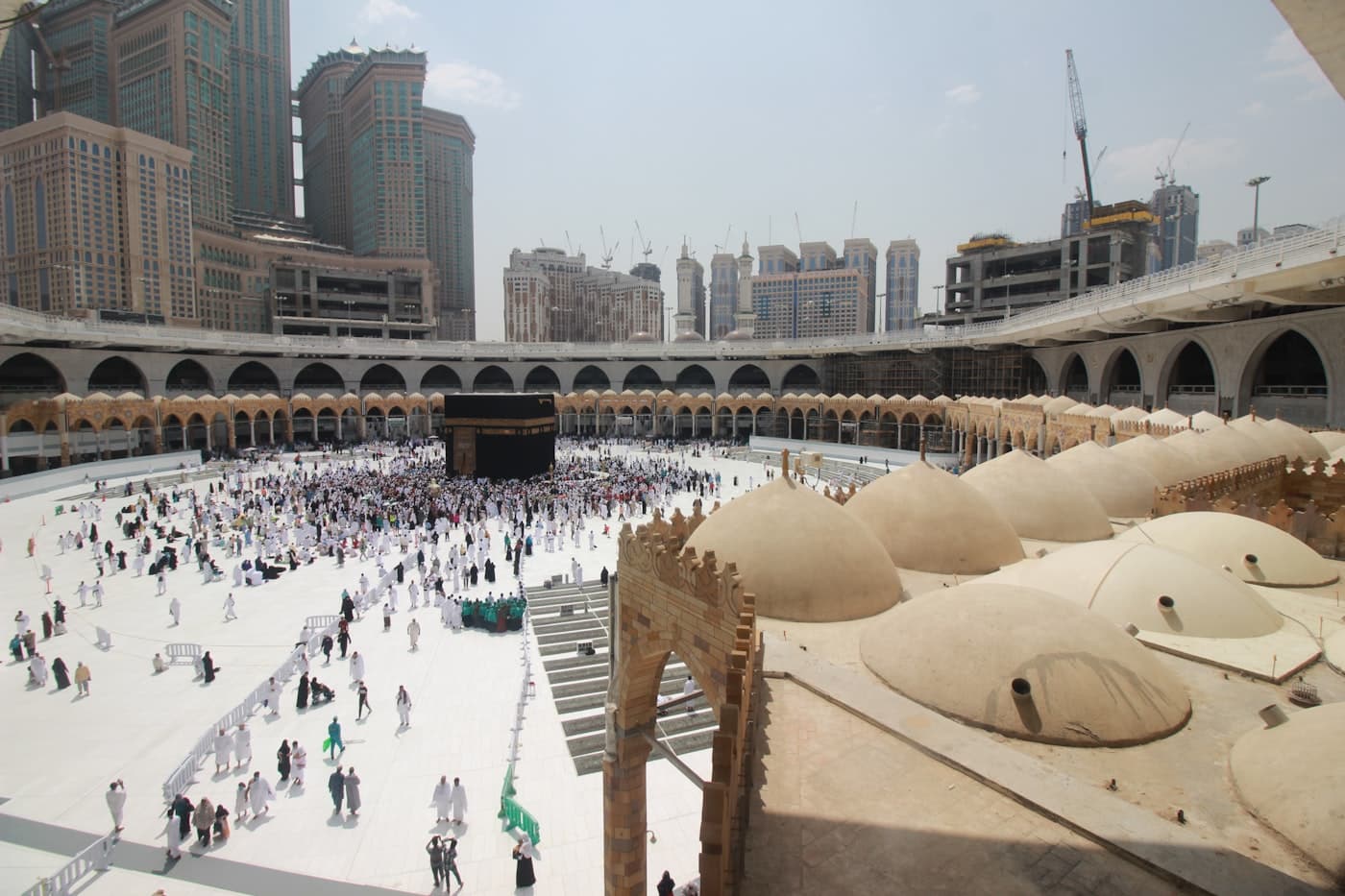
Pro tip
Pack a small drawstring bag for your sandals. You will remove them constantly, and losing shoes in the crowd is one of the most common Hajj headaches. Label medications clearly and carry a few days' supply on your person, not just in checked luggage.
What to Look for in a Hajj Package
Beyond the camps at Mina and Arafah, what separates a good Hajj operator from a mediocre one is mostly people. How experienced are the group leaders and the scholars travelling with them? After that come the practical things: how close your Makkah and Madinah hotels sit to the Haram, and how complete the guidance is once the rites begin.
A strong package pairs you with knowledgeable leaders who walk you through each rite in real time, keep the group together in the crowds, and handle the logistics so you can give your attention to worship. Ask how many pilgrims each leader is responsible for. Ask whether scholars travel with the group, and what actually happens if someone falls ill or gets separated from it.
Passports, Visas, and Vaccines for Hajj
The Hajj visa is separate from the Umrah e-visa and is issued specifically for the Hajj season through the Nusuk allocation your agency operates under. Your US passport must be valid well beyond your travel dates. At least six months of validity is the baseline, and more is safer.
As with Umrah, the meningitis ACWY vaccine is mandatory and must be administered at least 10 days before arrival. Other requirements, seasonal ones especially, can change from year to year, so confirm the current rules with your agency and a travel clinic before you go. And because Hajj is booked so far in advance, deal with any passport renewal at the very start. It should never become a last-minute crisis.
- A Hajj visa through your agency's Nusuk allocation, not the Umrah e-visa.
- US passport valid at least six months beyond travel.
- Meningitis ACWY vaccine, given 10+ days before arrival. Check too whether any seasonal requirement has been added for your year, because they do change.
Securing Your Spot for a Future Season
If Hajj is your intention, the practical advice is simple. Start preparing now, whichever season you are aiming for. Reach out to approved agencies early, understand exactly what their allocation and their packages include, and be ready to commit once you find the right fit. The closer you get to the season the fewer spots remain, and the closest camps and the best hotels are always the first to go.
Qibla Gateway's own Hajj programme returns for a future season rather than the current one, so if you would like to be told the moment it opens, register your interest with us and we will be in touch before it goes on general sale. In the meantime, many pilgrims use the waiting period productively by performing Umrah first, which is on sale year-round and is a far gentler introduction to Makkah, Madinah, and the shared rites.
Make your intention sincere, settle your debts, seek forgiveness from those around you, and prepare spiritually as well as logistically. Hajj is the journey of a lifetime, and arriving prepared in heart and body lets you give it the presence it deserves.
Frequently asked questions
Hajj involves multi-day services in Mina, Arafah, and Muzdalifah (air-conditioned tents, extensive transport, catering, and scholar-led leadership), plus a strict quota that limits supply. Those factors push typical US packages to $8,000-$15,000+, against $1,590-$3,090 for a flight-inclusive Umrah package.
As early as possible. Because the North American allocation is limited, packages and the best camps sell out many months ahead. Early booking is less about saving money and more about securing a spot at all. Qibla Gateway's Hajj programme is not on sale for the current season. Register your interest and we will contact you when it opens.
No. There is no requirement to perform Umrah first. Many pilgrims do choose Umrah earlier as a less demanding way to become familiar with Makkah, Madinah, and the shared rites, but it is not a prerequisite.
It can be, with preparation and the right package. But Hajj is genuinely demanding, and it is worth being honest about that: long walks, days spent outdoors in the heat, and very large crowds. Anyone with health or mobility concerns should talk it through with their doctor, then look hard at packages with closer camps and stronger support services.
Ready to plan your journey?
Tell us your dates and a US-based Umrah & Hajj specialist will put a free quote together for you. No obligation.