
Umrah Checklist: What to Pack & Prepare
Packing for Umrah is not like packing for a vacation. You are heading into intense worship, unfamiliar heat, and enormous crowds, and the small things you forget at home can become real problems on the ground. This checklist covers documents, ihram, health, tech, and spiritual preparation so you arrive ready to focus on your worship, not on what you left behind.
Key takeaways
- Get documents and vaccines sorted weeks ahead. Passport validity and the meningitis ACWY certificate are non-negotiable.
- Pack light, breathable, and unscented. Perfumed products break ihram for men.
- Comfortable, broken-in sandals matter more than almost anything else you pack.
- A small day bag for the Haram makes every trip to the mosque easier, and you will make a lot of them.
- Spiritual preparation (learning the rites, memorizing duas, settling debts) matters as much as any physical item on the list.
Start Weeks Before You Pack: The Paperwork
The most important preparation happens long before your suitcase comes out. Check the passport first. It has to be valid for at least six months beyond your entry date, and if you are anywhere near that line, renew now rather than later, because a rushed renewal close to travel is a genuine risk. Then make sure your Umrah e-visa is issued through Nusuk (your agency usually handles this) and that your flight and hotel confirmations are both printed and saved offline.
Get your meningitis ACWY vaccine at least 10 days before arrival and keep the certificate with your travel documents. Photograph or scan everything else while you are at it. Copies sitting in your email and on your phone mean that a lost folder is an annoyance abroad rather than a crisis.
- US passport, valid 6+ months beyond entry.
- Umrah e-visa confirmation from Nusuk.
- Meningitis ACWY vaccination certificate.
- Flight and hotel confirmations, printed.
- A printed list of emergency contacts and your agency's phone number, for the day your phone dies.
- Digital and paper copies of every one of the above, stored separately.
Ihram and Clothing
For men, bring at least two sets of ihram, the two unstitched white cloths, so there is always a clean dry set while the other is washed. A wide money belt made for ihram lets you carry cards and cash without a stitched garment. For women, pack modest, comfortable, breathable clothing suited to the heat and to long hours of standing and walking. Loose fabrics in light colors beat anything tight or dark, every single day.
Favor breathable natural fabrics whatever you are wearing. You will sweat heavily in the heat and in the crowds, and synthetics only make that worse. A small packable prayer mat and a lightweight scarf or shawl are both worth their space in the bag.
- Two sets of ihram for men, plus an ihram belt.
- Modest, loose, breathable clothing for women.
- A packable prayer mat.
- A light shawl or scarf. Mosque air conditioning is colder than you expect.
Important
In ihram, men must avoid all scented products. That includes perfumed soap, deodorant, lotion, and wet wipes. Buy unscented versions before you travel; they are harder to find on the ground.
The Feet Come First: Footwear
If you take one piece of advice from this list, make it this: bring comfortable, broken-in sandals. You will walk miles across marble and pavement, remove your shoes constantly, and stand for long stretches. New footwear guarantees blisters at the worst possible time.
Sandals are ideal. They slip on and off easily at the Haram, and they keep your feet cool through the hottest part of the day. Bring a spare pair as well, and carry a small drawstring or mesh bag so your sandals can come into the mosque with you. Losing shoes in the crowd is one of the most common frustrations there is, and one of the easiest to avoid.
Health, Hygiene, and a Small Medical Kit
Crowds, heat, and long flights make a small health kit essential. Pack any prescription medications in their original packaging with enough supply for the whole trip plus a few extra days, and keep them in your carry-on, never checked luggage. Add a basic kit for the predictable ailments of pilgrimage: the coughs and colds that spread in crowds, sore feet, dehydration, and stomach upset.
A good reusable water bottle is one of the smartest things you can bring. Hydration is your best defense against the heat, and Zamzam is freely available to refill from. Pack hand sanitizer, unscented wet wipes, lip balm, and sunscreen for the exposed midday walks between hotel and mosque.
- Prescription medications in their original packaging, in your carry-on.
- Pain relievers, cold and flu remedies, anti-diarrheal, rehydration salts.
- Blister plasters and a small first-aid kit. Bring more plasters than you think you need.
- Reusable water bottle, hand sanitizer, unscented wipes, lip balm, sunscreen.
- A few disposable face masks for the densest crowds.
Good to know
The dry desert air and crowded mosques make the so-called Umrah cough common. It is usually harmless, but rest, hydration, and a mask in dense crowds go a long way.
Tech, Money, and Connectivity
A Saudi eSIM or an international roaming plan keeps you connected for maps, translation, and reaching your group. Buy an eSIM before you fly so you land connected. Bring a power bank, since your phone will drain fast from navigation and photos, and a universal adapter for Saudi outlets.
For money, a mix works best: a card with no foreign-transaction fees for hotels and larger purchases, plus some cash in Saudi riyal for tips, small vendors, and taxis. Keep a modest personal fund of a few hundred dollars beyond your package price too, for gifts, Zamzam, ziyarah extras, and the small costs that always come up. Nobody regrets bringing it.

A Small Day Bag for the Haram
You will make the trip to the Haram many times a day, and a small, light bag makes every one of them easier. Essentials only: phone and power bank, a refillable water bottle, unscented wipes, your prayer mat, a small Quran or a Quran app, and the shoe bag.
Keep valuables to a minimum, and expect security to check bags at the gates. A crossbody or a small backpack you can hold in front of you in a crowd is safer than anything large, and a great deal less tiring by the fifth prayer of the day.
- Phone, power bank, cable.
- Refillable water bottle and unscented wipes.
- Prayer mat, and a pocket Quran or an app on your phone.
- A shoe bag. This is the one people wish they had brought.
- A little cash for water, a taxi, or a gift you did not plan on.
Spiritual Preparation: The Part Most People Rush
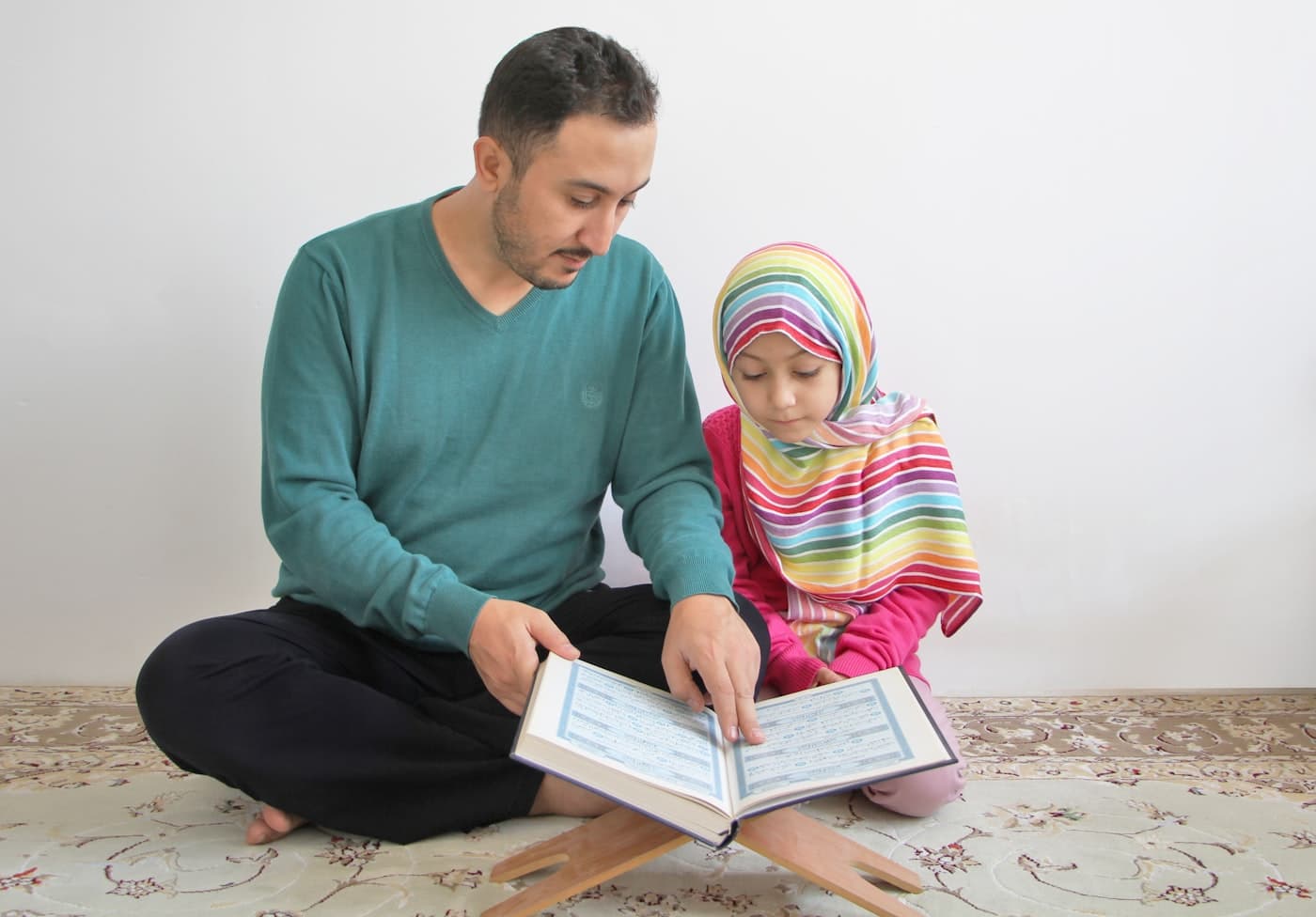
The physical checklist is the easy part. The preparation that most shapes your Umrah is spiritual, and it starts at home. Learn the sequence of the rites (ihram, tawaf, sa'i, and halq or taqsir) so you arrive able to worship rather than fumble. Memorize the talbiyah and a handful of duas that mean something to you.
Just as importantly, prepare your heart. Settle your debts where you can, seek forgiveness from those you may have wronged, and clarify your intention (niyyah) to perform Umrah purely for the sake of Allah. Many pilgrims keep a small list of people to make dua for, and of moments where they want to stop and reflect. Arriving spiritually ready changes what the journey is.
Pro tip
Write down the specific duas and intentions you want to make before you leave home. In the emotion and crowds of the Haram, it is easy to forget the very things you traveled to ask for.
Frequently asked questions
At least two, so one can be worn while the other is washed or drying. A spare set is cheap insurance against spills, sweat, or tears during the trip.
Women can use their usual unscented items freely. Men in ihram must avoid every perfumed product, and that list is longer than people expect: scented soap, deodorant, lotion, and wet wipes all count. Buy unscented versions before you travel. They are harder to find on the ground.
A mix is best: a card with no foreign-transaction fees for hotels and larger buys, plus some Saudi riyal for tips, taxis, and small vendors. Budget a personal fund of a few hundred dollars beyond your package for extras.
Comfortable, broken-in footwear and a small bag to carry their sandals in. New shoes cause blisters, and lost sandals in the crowd are a constant, avoidable frustration.
Ready to plan your journey?
Tell us your dates and a US-based Umrah & Hajj specialist will put a free quote together for you. No obligation.