
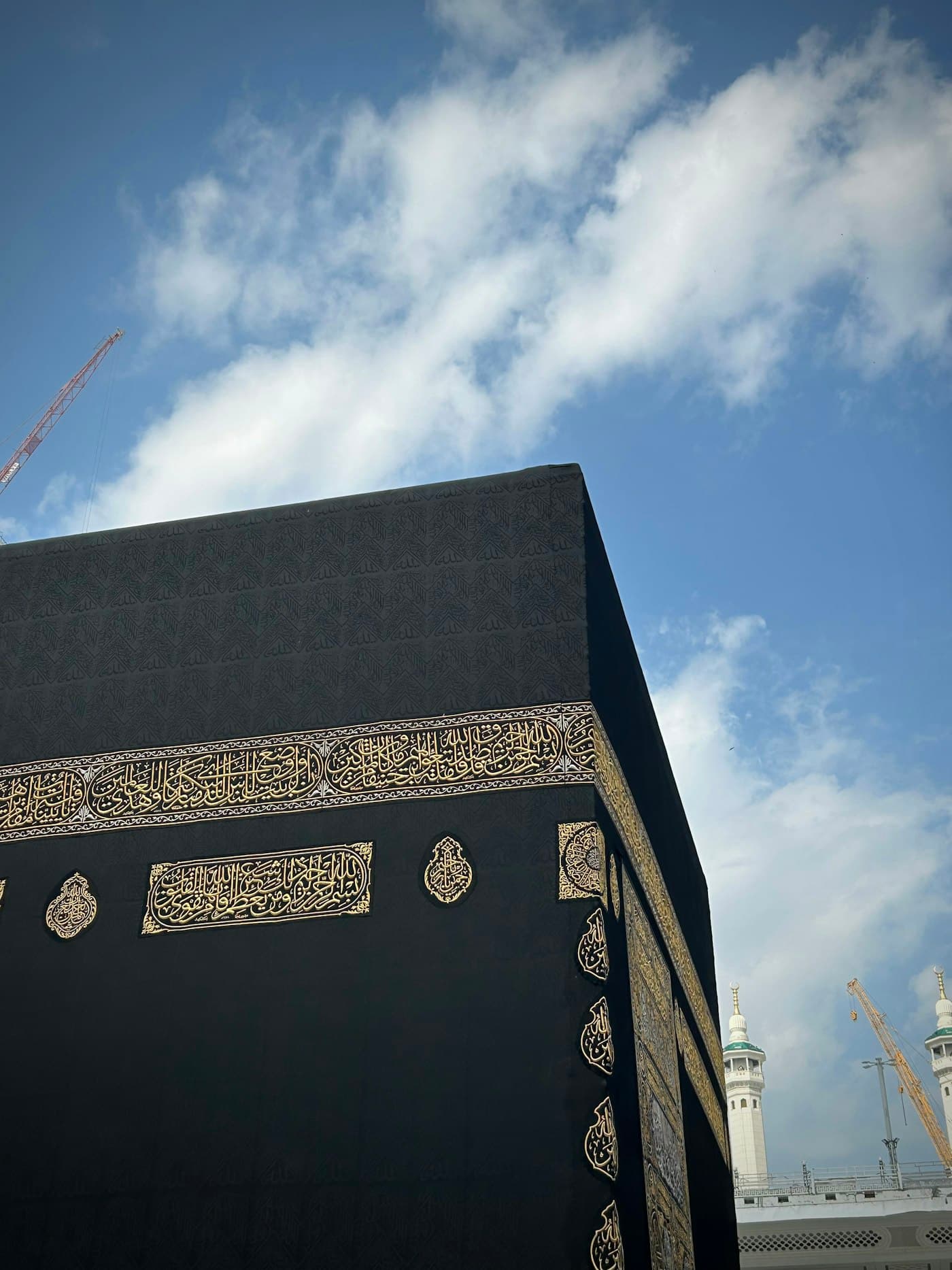
Umrah vs Hajj: What's the Difference?
Umrah and Hajj are both pilgrimages to Makkah, and they share several of the same rites. They are not two versions of one journey. Obligation, timing, scale, and cost all separate them, and this guide lays out those differences for US Muslims so you can think clearly about which pilgrimage to plan first.
Key takeaways
- Hajj is an obligatory pillar of Islam performed on fixed days; Umrah is a highly rewarded voluntary act you can do any time. There is no requirement to perform Umrah first, though many American Muslims choose to.
- Both share tawaf, sa'i, and ihram. Hajj adds Arafah, Muzdalifah, Mina, and the stoning of the Jamarat, and where Umrah can be over in a few hours, Hajj takes five to six physically demanding days.
- From the US, a flight-inclusive Umrah package runs $1,590-$3,090 per person, while Hajj commonly runs $8,000-$15,000+ across the market. That is a gap of four to six times.
Obligation: Fard vs Sunnah
Hajj is one of the five pillars of Islam and is obligatory once in a lifetime for every adult Muslim who is physically and financially able. Umrah is a highly rewarded voluntary act (sunnah, considered obligatory once by some scholars) that can be performed any number of times.
In practical terms, most American Muslims perform one or more Umrahs during their life and aim to complete their single obligatory Hajj when the timing and finances align. Neither replaces the other. They are distinct acts of worship with distinct places in a Muslim's life.
Timing: Fixed Days vs Any Time of Year
Hajj can only be performed on specific days of Dhul-Hijjah, the twelfth Islamic month, culminating on the Day of Arafah. Umrah has no fixed date at all. You can perform it on any day of the year, which is part of why it is often called the lesser pilgrimage.
That single difference drives most of the logistical and cost gaps between the two. Millions of pilgrims worldwide must all perform Hajj within the same few days, so everything about it (visas, quotas, tents, transport) is constrained in a way Umrah simply is not.
The Rites: Where They Overlap and Diverge
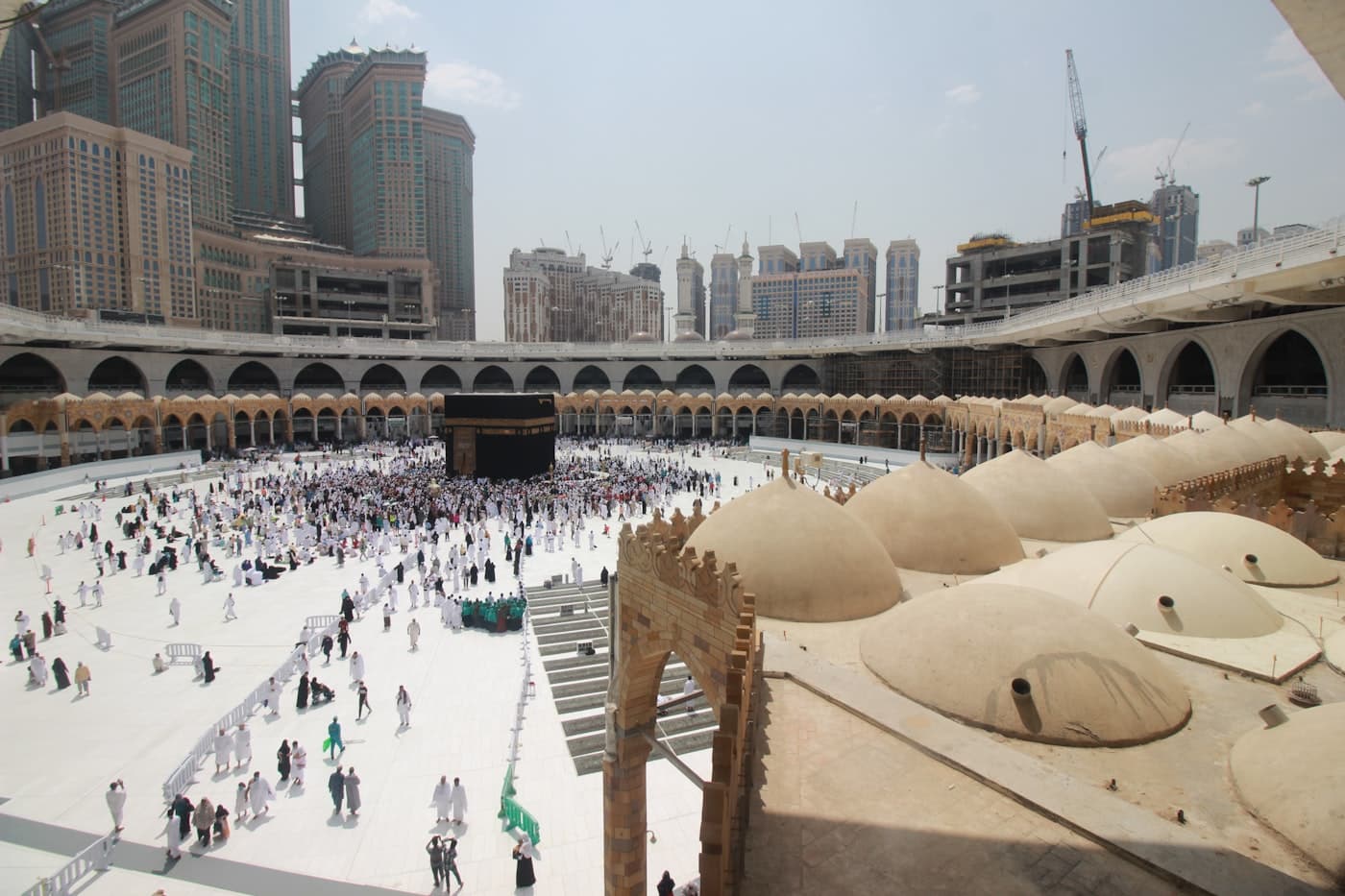
Both begin in ihram and share tawaf (circling the Kaaba seven times) and sa'i (walking between Safa and Marwah), ending with halq or taqsir (shaving or trimming the hair). Hajj adds several major rites Umrah does not have: standing at Arafah, staying overnight at Muzdalifah, camping at Mina, and the stoning of the pillars (Jamarat).
Umrah can be completed in a few hours. Hajj unfolds over five to six days, which is exactly why it demands so much more preparation, guidance, and physical readiness than Umrah does.
- Shared by both: ihram, tawaf, sa'i, and halq or taqsir.
- Hajj alone: standing at Arafah on the 9th of Dhul-Hijjah.
- Hajj alone: the night at Muzdalifah, and the camp at Mina.
- Hajj alone: stoning the Jamarat, and the sacrifice.
- Umrah has no fixed date. Hajj has five or six of them.
Duration and Physical Demand
A focused Umrah can be done in a single morning, though most US pilgrims spend 7-14 days so they can visit Madinah as well. Hajj is physically far more demanding. Long distances on foot, days outdoors in the Dhul-Hijjah heat, and enormous crowds at Mina and the Jamarat.
Anyone with mobility or health concerns should weigh that load carefully and talk to a doctor before going. Umrah is accessible to a much wider range of ages and fitness levels, which is part of why it tends to be the first pilgrimage American Muslims undertake.
Good to know
If you are considering Hajj but unsure about the physical demands, an Umrah first is a gentle way to experience Makkah and Madinah and gauge how you handle the heat and crowds.
Cost: A Significant Gap
From the US, a flight-inclusive Umrah package runs $1,590 to $3,090 per person. The low end is a seven-night trip on quad occupancy, the high end a nine-day holiday-season departure on double occupancy, with round-trip airfare inside the price either way. Hajj is substantially more, commonly $8,000 to $15,000+ per person across the US market, because of the mandatory Hajj visa system, the multi-day Mina and Arafah services and tents, transport during the rites, and the limited quota that constrains supply.
So the realistic gap is roughly four to six times, not the narrower difference people often assume. Part of what makes Umrah so much more attainable is that its costs scale gently: choosing a shared quad room instead of a double changes your price by $400, whereas almost nothing about Hajj's cost structure is optional in the same way.
For most families, then, Umrah is the attainable and repeatable pilgrimage, while Hajj is the once-in-a-lifetime milestone they save toward. Understanding the gap early helps you plan financially and set a realistic timeline for each journey. One caveat: the Hajj figures here are market-wide context for budgeting, not our quote. Qibla Gateway's Hajj programme is not currently on sale and returns for a future season.
- Umrah from the US: $1,590-$3,090 per person, airfare included.
- Hajj from the US: roughly $8,000-$15,000+ per person across the market.
- The gap comes from quotas, multi-day services at Mina and Arafah, and Hajj-specific logistics that nobody can opt out of.
- Umrah pricing flexes with the room: $200 more for a triple, $400 for a double, over the quad price.
Which Should You Do First?
There is no requirement to perform Umrah before Hajj. Many US Muslims still choose it first, as a more affordable and less demanding way to experience Makkah and Madinah and to build real familiarity with the rites before the larger journey. Think of it as a spiritual and logistical trial run.
If Hajj is your obligation and you are able, do not put it off indefinitely. But Umrah is a beautiful and accessible first step, and for rulings specific to your own situation it is always best to consult a knowledgeable scholar.
Frequently asked questions
No. There is no requirement to perform Umrah first. Many pilgrims choose to, because it is more affordable and less demanding and helps them learn the shared rites, but it is not a prerequisite for Hajj.
Yes, except during the specific days of Hajj in Dhul-Hijjah. Outside that window, Umrah is valid year-round, which is why it is called the lesser pilgrimage.
Two reasons, mainly. A strict quota constrains supply, and the rites themselves require multi-day services in Mina, Arafah, and Muzdalifah: tents, transport, catering, and leadership on the ground. Add the dedicated visa system on top and typical US Hajj costs land far above anything Umrah asks of you.
Many find it so. Umrah lets you experience Makkah and Madinah, learn the shared rites of tawaf and sa'i, and gauge how you handle the heat and crowds, all at a fraction of Hajj's cost and physical demand.
Ready to plan your journey?
Tell us your dates and a US-based Umrah & Hajj specialist will put a free quote together for you. No obligation.