
When Is Ramadan 2027 in the USA? Dates, Eid and Why Mosques Differ
Ramadan 2027 is expected to begin in the United States on Monday 8 February, with the first taraweeh the night before and Eid al-Fitr on Tuesday 9 March. Those are the dates the Fiqh Council of North America has calculated, and Saudi Arabia's official Umm al-Qura calendar has the same days. Your own mosque may not. Last year two of the methods American mosques use started Ramadan a day apart. Here are the dates, and the reason they can move. The evenings of the last ten nights are further down, so you can mark them now.
Key takeaways
- First taraweeh: Sunday evening, 7 February 2027. First fast: Monday 8 February.
- Eid al-Fitr is Tuesday 9 March 2027 on the calculated calendar.
- Mosques that wait for a local sighting can start a day later, as the Central Hilal Committee of North America did in 2026.
- Saudi Arabia's official calendar agrees with the Fiqh Council's for every month of 1448, but Saudi Arabia still confirms Ramadan by sighting.
- The odd nights of the last ten begin on the evenings of 27 February and 1, 3, 5 and 7 March.
- No clock change this Ramadan. Daylight saving time starts on 14 March, after Eid.
Ramadan 2027 dates at a glance
These are the dates on the calculated calendar, the one your mosque's timetable will use if it follows the Fiqh Council of North America. The Umm al-Qura calendar, whose official site is run by King Abdulaziz City for Science and Technology, has every one of them on the same day.
One thing trips people up every year. In the Islamic calendar a night belongs to the day after it, not the day before. That's why taraweeh begins the evening before the first fast, and why each special night falls on the evening before the date it's named for.
- Sunday 7 February, after sunset: the first taraweeh prayer
- Monday 8 February: the first fast, 1 Ramadan 1448
- Saturday 27 February, after sunset: the last ten nights begin
- Monday 8 March: the last fast, as the calculated month has 29 days
- Tuesday 9 March: Eid al-Fitr, 1 Shawwal 1448
Why your mosque may start on a different day
American mosques don't all decide the same way.
The Fiqh Council of North America calculates. A new month begins the next day if, at sunset somewhere in the world, the moon is at least 8 degrees from the sun and at least 5 degrees above the horizon. The Council says it accepts the validity of other opinions, and it encourages Muslims to follow their local masjid. In 2027 the new moon is born at 15:56 Universal Time on Saturday 6 February, just before 11 in the morning in New York. At sunset that day the Council's figures put it short of both limits everywhere on earth, so on its calendar Shaban runs to 30 days and Ramadan starts on the Monday.
The Central Hilal Committee of North America waits to see it. Its local committees across the United States, Canada and the Caribbean look for the crescent on the evening of the 29th, and the committee accepts a report only from someone who saw it with their own eyes, not from someone repeating what they were told. It says the fast is based on seeing the crescent, not on calculation. If nobody sees it, the month runs to 30 days. Some other mosques accept a sighting from anywhere in the world.
Meeting the Council's limits isn't the same as being seen. In 2026 the limits were met on the evening of 17 February, but the Council itself said the crescent couldn't practically be seen anywhere on earth that night. That's why the two calendars started a day apart. For 2027 the Council's figures put the moon above both limits everywhere in North America on Sunday evening, 7 February. If a mosque's 29th of Shaban falls that evening and nobody sees the crescent, its first fast is Tuesday 9 February.
The sighting rule goes back to the Prophet ﷺ, who said to start fasting on seeing the crescent, to stop on seeing it, and to complete thirty days of Shaban if the sky is overcast (Sahih al-Bukhari 1909). Scholars differ on whether a calculation can stand in for that sighting. We don't take a side. Ask your imam which method your mosque follows.
What happened last year
In 2026 the calculated calendar and Saudi Arabia both began Ramadan on Wednesday 18 February. The Central Hilal Committee looked on the evening of the 17th, nobody in North America saw the crescent, and its Ramadan began on Thursday 19 February. Its Eid still fell on Friday 20 March, the same day as the calculated calendar, after a 29-day month. Two families in one city could have fasted a different number of days and prayed Eid on the same morning.
Will it be the same day in Makkah?
On paper, yes. The Umm al-Qura calendar puts 1 Ramadan 1448 on Monday 8 February 2027 and 1 Shawwal on Tuesday 9 March, and for 1448 it matches the Fiqh Council's calendar month for month.
Saudi Arabia doesn't start Ramadan from the calendar, though. Its Supreme Court asks people to look for the crescent on the evening of the 29th of Shaban, by eye or through binoculars, and to report a sighting to the nearest court. The start is announced once the court has considered the reports. Last year it matched the calculated date, while several countries in Asia, the Middle East and North Africa began a day later.
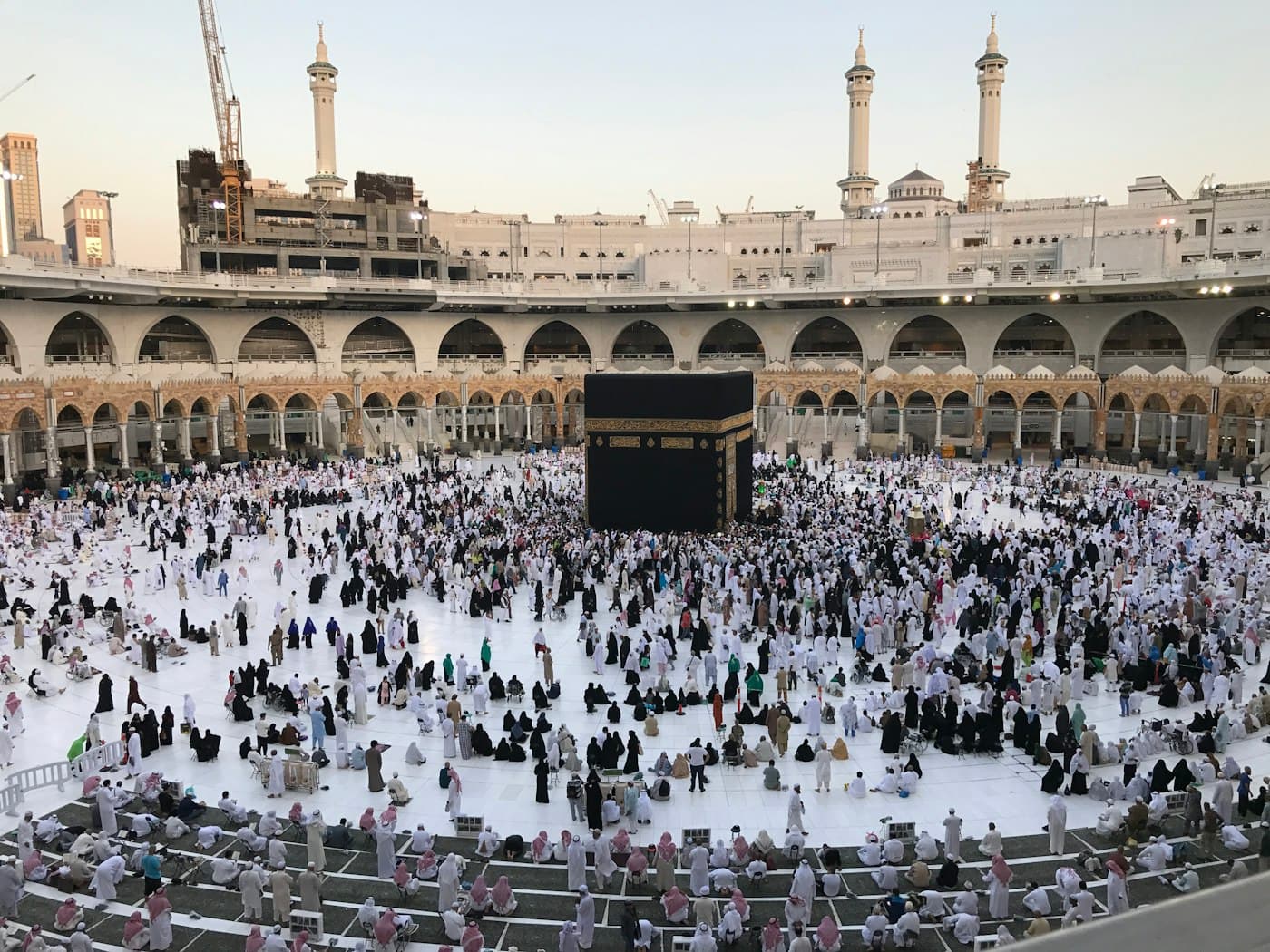
Then there's the clock. Saudi Arabia is three hours ahead of Universal Time all year, with no daylight saving. In February that puts Makkah eight hours ahead of New York and eleven ahead of California. The sun sets on the Haram around 6:26 in the evening on 5 March, so the 27th night begins there while it's still morning on both coasts.
The odd nights of the last ten in 2027
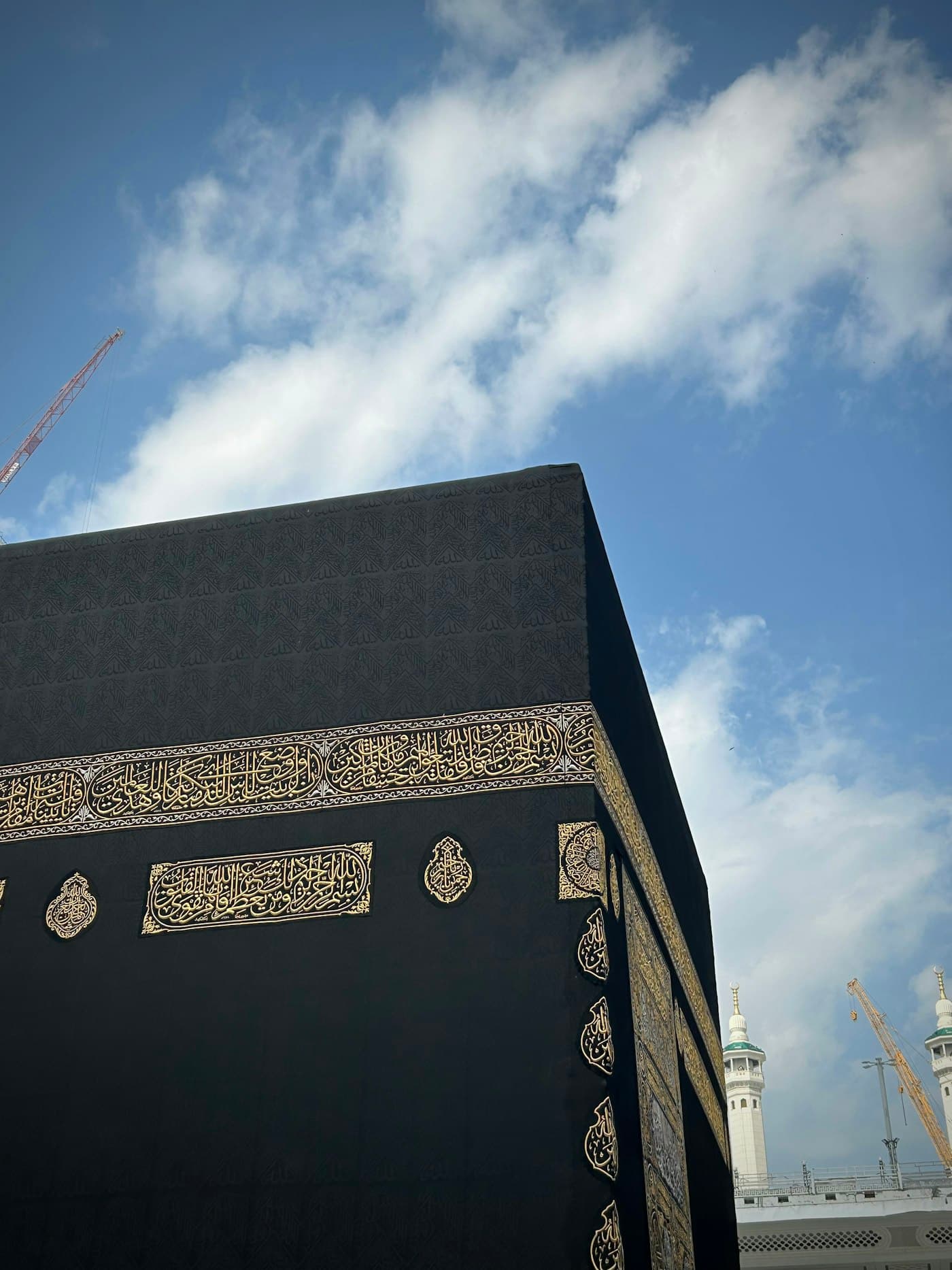
The Prophet ﷺ said to search for Laylat al-Qadr in the odd nights of the last ten days of Ramadan (Sahih al-Bukhari 2017). Counting from a first fast on Monday 8 February, these are the evenings they begin. Each runs from that sunset until dawn the next morning.
- 21st night: Saturday evening, 27 February
- 23rd night: Monday evening, 1 March
- 25th night: Wednesday evening, 3 March
- 27th night: Friday evening, 5 March
- 29th night: Sunday evening, 7 March
If your mosque starts on Tuesday 9 February
Move every night one evening later: 28 February, then 2, 4, 6 and 8 March. The 27th night becomes Saturday evening, 6 March. Wait for your mosque's announcement before booking time off around any of them.
How long the fasts are
On the timetable used below, every one of these cities fasts under 13 hours, even on the last day. On the first day the fast runs from under eleven and a half hours in Seattle to just over twelve in Miami. By the last, all six are within two minutes of 12 hours 51 minutes.
The figures run from dawn to sunset on 8 February and 8 March, on the Islamic Society of North America method, which puts dawn when the sun is 15 degrees below the horizon. A mosque that uses the Muslim World League's 18 degrees starts the fast earlier, by 13 to 18 minutes in these cities, and on that timetable the last fasts run just past 13 hours. Fast by your own mosque's timetable.
- Seattle: 11 hours 23 minutes on the first day, 12 hours 53 minutes on the last
- New York: 11 hours 40 minutes, rising to 12 hours 51 minutes
- Sacramento: 11 hours 46 minutes, rising to 12 hours 51 minutes
- Los Angeles: 11 hours 56 minutes, rising to 12 hours 51 minutes
- Houston: 12 hours 5 minutes, rising to 12 hours 51 minutes
- Miami: 12 hours 13 minutes, rising to 12 hours 52 minutes
No clock change this time
Daylight saving time starts on the second Sunday in March, which in 2027 is 14 March, five days after Eid. In 2026 the clocks went forward on 8 March, in the middle of Ramadan, and in most of the country every suhoor and iftar time jumped an hour on the clock overnight. Arizona and Hawaii don't change their clocks at all. If you travel, the fast in Makkah is about as long as at home: 12 hours 37 minutes on the first day and 13 hours 8 minutes on the last, using the Umm al-Qura calculation.
Eid al-Fitr 2027
On the calculated calendar Eid al-Fitr is Tuesday 9 March 2027. A mosque that waits for a sighting looks for the Shawwal crescent on the evening of its 29th fast and announces Eid that night, so its Eid can come a day later. A month in the Islamic calendar is never shorter than 29 days or longer than 30, so your Eid falls 29 or 30 days after your mosque's first fast.
It's a working Tuesday, so ask for the day off early. New York City's public schools have already marked 9 March 2027 as closed for Eid al-Fitr on their 2026-27 calendar. Other districts set their own.
Planning Umrah in Ramadan 2027
If you're thinking of spending part of the month in Makkah, the dates above decide which part you'd get. Our three Ramadan departures run on fixed dates. A sighting can shift which night of Ramadan falls on which evening of your trip, but it doesn't move the trip. On the calculated calendar:
- 7-18 February: leaves on the eve of Ramadan and comes home on 11 Ramadan.
- 16-27 February: 9 to 20 Ramadan, flying home on the day whose evening opens the last ten nights.
- 26 February to 9 March: leaves on 19 Ramadan and is the departure for the last ten nights. The return, 9 March, is Eid day on the calculated calendar.
If you start fasting in America and finish in Makkah
Start with a mosque that begins on 9 February, fly out on 26 February, and if Saudi Arabia's Eid falls on 9 March you'd reach it with only 28 fasts. Jordan's General Iftaa' Department and the All Ceylon Jamiyyathul Ulama both say to celebrate Eid with the people where you are and make up one day afterwards, because a month can't be 28 days. The opposite case, a 31st fast for someone who began in Makkah and finishes at home, is one where scholars differ. Ask your imam before you go.
Dates worth knowing
Washington's Birthday, the federal holiday, is Monday 15 February 2027, inside the first departure. New York City's public school midwinter recess runs 15-19 February, overlapping both February trips. The last day this season's Umrah visas are issued is Eid day, 9 March 2027. Our visa guide has the entry and exit deadlines that follow.
Frequently asked questions
Monday 8 February 2027 is the expected first fast, on the calendar the Fiqh Council of North America has calculated, with taraweeh beginning on Sunday night, 7 February. Mosques that wait for a local sighting may begin on Tuesday 9 February, so check your own mosque's announcement.
Tuesday 9 March 2027 on the calculated calendar, and Saudi Arabia's Umm al-Qura calendar has the same day. A mosque that follows a sighting announces Eid on the evening of its 29th fast, and its Eid can fall a day later.
Friday evening, 5 March 2027, if Ramadan starts on Monday 8 February. It runs from sunset on Friday until dawn on Saturday. If your mosque starts a day later, it's Saturday evening, 6 March.
It's expected to be. The Umm al-Qura calendar also has 1 Ramadan 1448 on Monday 8 February, but Saudi Arabia confirms the start only after its Supreme Court has considered sightings on the evening of the 29th of Shaban.
Ramadan runs from 8 February to 8 March 2027 on the calculated calendar. The Umm al-Qura calendar starts Dhul Hijjah on Friday 7 May, which would put the Day of Arafah on Saturday 15 May and Eid al-Adha on Sunday 16 May. Saudi Arabia confirms those dates nearer the time. Our Hajj guide covers that season.
It's expected to begin on Friday 28 January 2028, with Eid al-Fitr on Saturday 26 February, on both the Fiqh Council and Umm al-Qura calendars. Ramadan comes ten or eleven days earlier each year, and this page moves on to 2028 once Eid 2027 has passed.
Ready to plan your journey?
Tell us your dates and a US-based Umrah & Hajj specialist will put a free quote together for you. No obligation.